Video and data analysis isn't just for the pros
Footage and numbers make dressing-room conversations concrete — and the tools are now within reach of amateur clubs. What it actually delivers for coaches and technical committees.
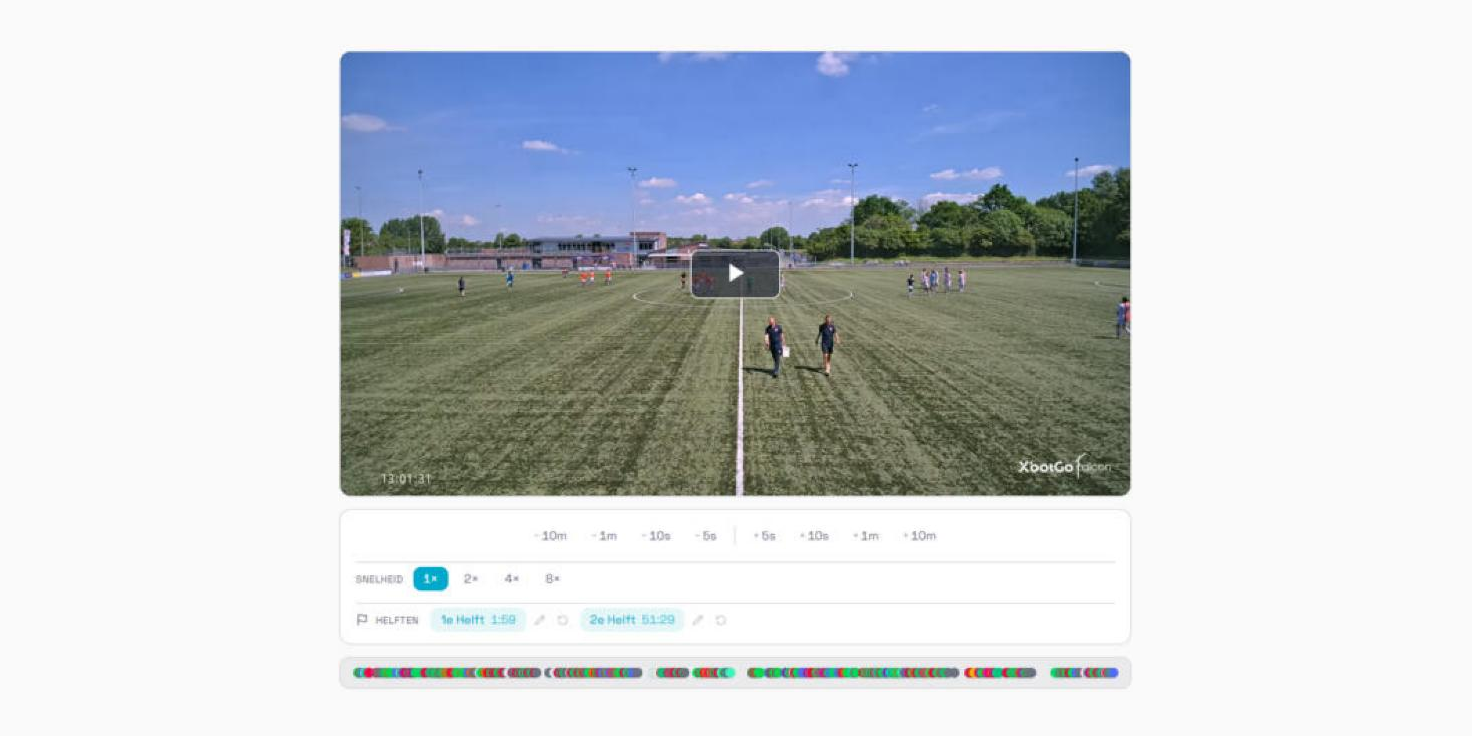
Monday evening, technical committee. "We were too spread out in transition." Everyone nods. Nobody knows whether it's true, because the only source is what four people remember about Saturday — and memory is coloured by the result.
Professional football has answered that question with footage and numbers for twenty years. At amateur level it stayed a conversation. The gap was never talent or effort — it was tooling, and tooling has become dramatically cheaper.
Footage: from opinion to evidence
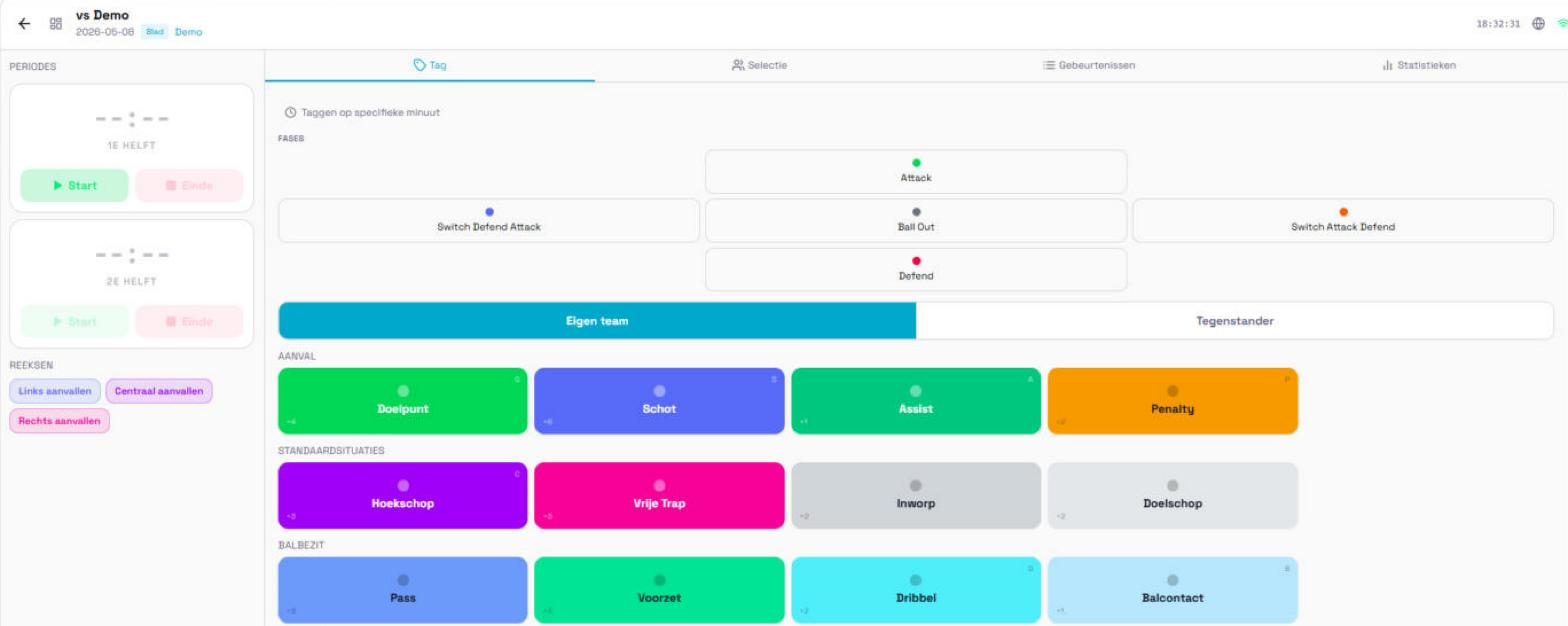
Three seconds of video beats three minutes of explanation. You mark moments on the touchline during the match or afterwards at your laptop, and what you get back is a searchable list instead of 90 unusable minutes.
- Monday nights get shorter. Discussing five twenty-second clips beats half an hour of watching together.
- Players see their own moments. An individual clip in the team app lands differently than "you need to tuck in earlier".
- The discussion is about what happened, not about who remembers it most confidently.
Data: from impression to pattern
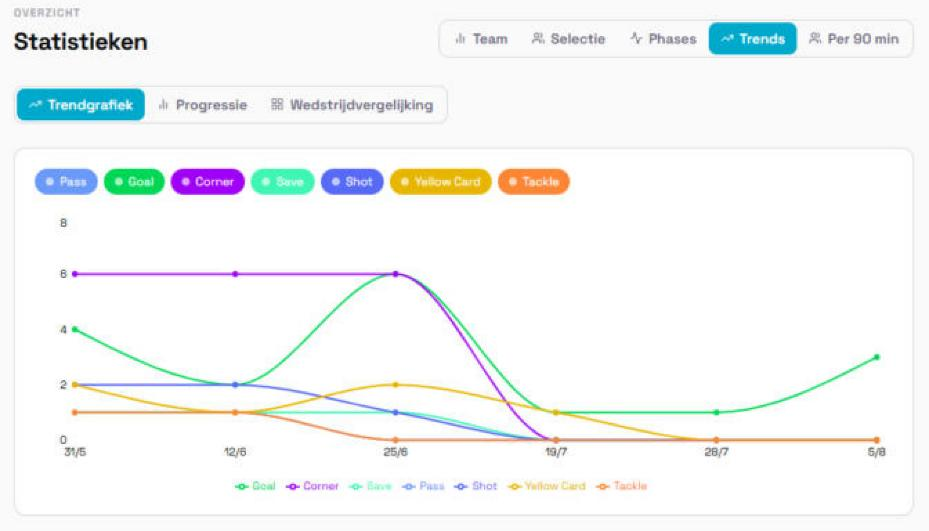
One match is noise. Ten matches is a pattern. Numbers don't replace your eye, but they do correct what your eye structurally misses:
- Per 90 minutes rather than totals, so a substitute sits fairly alongside a starter.
- Goals conceded per line and per pairing, showing whether it really is down to that one defender.
- Playing-time distribution in youth teams — one of the few numbers a technical committee can set policy on directly.
- Training attendance and perceived load (RPE), which together show when a squad is heading into the red.
The point isn't that the numbers are right. The point is that they produce a better question. "Sixty percent of our goals conceded come after the seventieth minute" is a conversation about substitutions and conditioning — not about one centre-back.
Why it's feasible now
A phone on a tripod, or the camera your club already owns, produces usable footage. Tagging runs on keyboard shortcuts during the match, works offline on the touchline and syncs the moment you're back online. One willing volunteer is enough — you don't need an analyst on the payroll.
Better analysis won't turn a Saturday-afternoon club into an academy. But it makes the conversation between staff, committee and players concrete — and that's where development starts.
Want to try it yourself?
Create a free account and set up your first match in VAIXR, or book a short demo with us.